Australian Shepherd vs Golden Retriever
Confronto fianco a fianco tra Australian Shepherd e Golden Retriever — temperamento, esigenze di esercizio, toelettatura, aspettativa di vita e adatto alla famiglia.
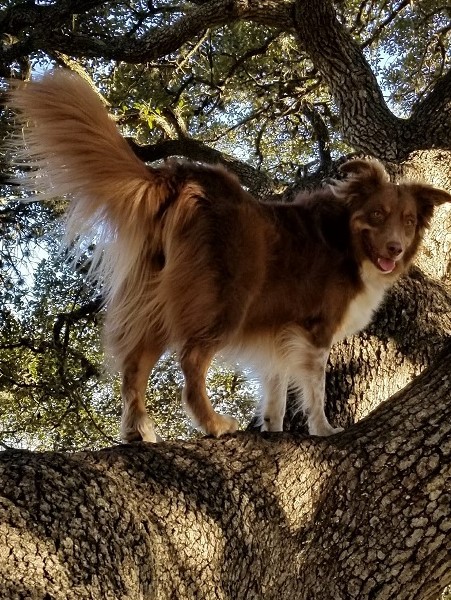
Australian Shepherd
Cane
Golden Retriever
Cane| Australian Shepherd | Golden Retriever | |
|---|---|---|
| Taglia | Medio | Grande |
| Peso | 40-65 lbs (18-29 kg) | 55-75 lbs (25-34 kg) |
| Aspettativa di vita | 12-15 years | 10-12 years |
| Livello di energia | Alto | Alto |
| Adatto ai bambini | Sì | Sì |
| Adatto all'appartamento | No | Dipende |
Personalità e comportamento
Australian Shepherd
Intelligent, active, and protective. They have a strong herding instinct and high trainability.
Golden Retriever
Golden Retrievers are characterized by their friendly, tolerant attitude. They are highly social dogs that thrive on human companionship and are known for their patience with children. Their intelligence and eagerness to please make them highly trainable. They typically display a calm demeanor indoors while maintaining an active, playful nature outdoors. This breed is generally outgoing and trustworthy with strangers, making them poor guard dogs but excellent family companions.
Gioco e attività
Australian Shepherd
Needs at least 1-2 hours of intense activity daily. Mental stimulation is critical.
Golden Retriever
Golden Retrievers require substantial daily exercise, typically 60-90 minutes. They excel at retrieving activities and are natural swimmers due to their water-repellent coat. Regular physical activity is essential for maintaining healthy weight and preventing behavioral issues. Mental stimulation through training and puzzle toys is equally important given their high intelligence.
Ambiente di vita
Australian Shepherd
Thrives in rural or suburban settings with plenty of space. Not recommended for sedentary owners.
Golden Retriever
While Golden Retrievers can adapt to apartment living with sufficient exercise, they thrive in homes with access to outdoor space. They are indoor dogs that should live with their family rather than being relegated to a yard. They do not tolerate isolation well and may develop anxiety if left alone for extended periods. A fenced yard is ideal for safe outdoor play.