Russian Blue vs Persian
Comparaison côte à côte du Russian Blue et du Persian — tempérament, besoins d'exercice, toilettage, espérance de vie et compatibilité familiale.

Russian Blue
Chat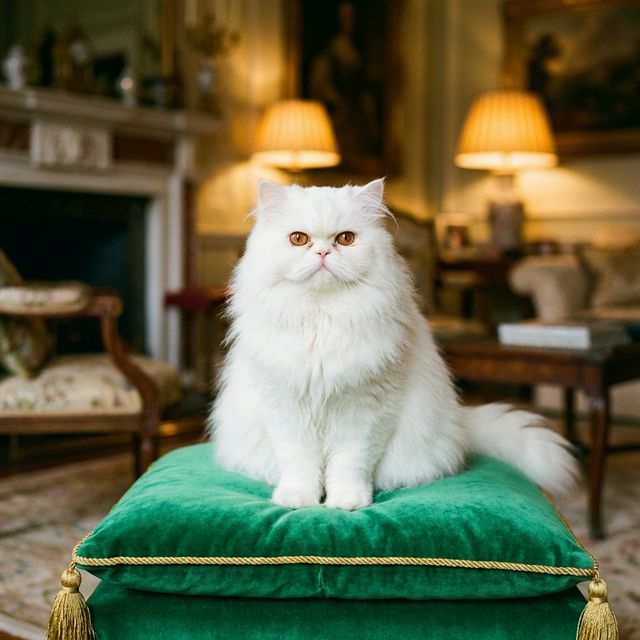
Persian
Chat| Russian Blue | Persian | |
|---|---|---|
| Taille | Moyen | Moyen |
| Poids | 7-12 lbs (3-5 kg) | 7-12 lbs (3-5 kg) |
| Espérance de vie | 15-20 years | 12-17 years |
| Niveau d'énergie | Moyen | Faible |
| Adapté aux enfants | Généralement | Généralement |
| Adapté à l'appartement | Oui | Oui |
Personnalité et comportement
Russian Blue
Gentle, quiet, and shy. They are creatures of habit and dislike noise or chaos. Strongly bonded to one person.
Persian
Persians are characterized by their docile, gentle temperament. They are quiet, affectionate cats that prefer calm, predictable environments. While they enjoy companionship, they are not as demanding as some breeds. They are generally good with children who are gentle and respectful. Persians are less active than many breeds and prefer lounging to athletic activities. They are indoor cats that thrive on routine.
Jeux et activités
Russian Blue
Intelligent play needed. They enjoy fetch and interactive toys that stimulate their hunting instinct.
Persian
Persians have low to moderate activity levels and prefer gentle, calm play. Short, regular play sessions of 10-15 minutes are typically sufficient. They enjoy toys that don't require excessive jumping or running. Interactive play should be gentle to avoid stressing them. Mental stimulation through puzzle feeders or watching outdoor activity through windows is beneficial. They appreciate comfortable resting spots throughout the home.
Cadre de vie
Russian Blue
They thrive in quiet, stable environments. Not ideal for loud, chaotic households.
Persian
Persians are ideally suited for apartment living. They are indoor-only cats due to their long coats and docile nature, which make them vulnerable outdoors. They require a calm, quiet environment with minimal stress. Temperature control is important, as their thick coats make them sensitive to heat. Multiple comfortable resting areas should be provided. They adapt well to routine and prefer stable, predictable environments.