Abyssinian vs Maine Coon
A side-by-side comparison of the Abyssinian and Maine Coon — temperament, exercise needs, grooming, life expectancy, and family fit.
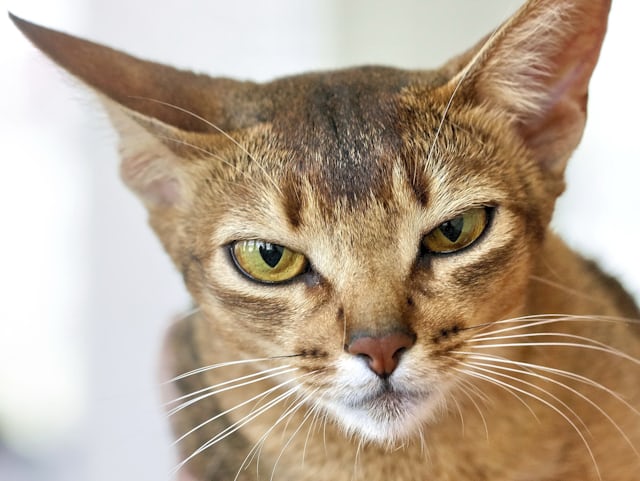
Abyssinian
Cat
Maine Coon
Cat| Abyssinian | Maine Coon | |
|---|---|---|
| Size | Medium | Large |
| Weight | 6-10 lbs (3-5 kg) | 12-25 lbs (5-11 kg) |
| Life expectancy | 12-15 years | 12-15 years |
| Energy level | High | Medium |
| Good with children | Usually | Yes |
| Apartment-friendly | Yes | Usually |
Personality & Behavior
Abyssinian
Abyssinians are highly active, intelligent, and human-oriented. They are not lap cats; they prefer to be where the action is.
Maine Coon
Maine Coons are known for their dog-like characteristics, including loyalty and playfulness. They are highly social cats that enjoy human companionship without being overly demanding. They are patient and gentle with children and typically get along well with other pets. Their intelligence makes them trainable, and they often enjoy interactive play. Maine Coons are known for their unique vocalizations, including chirps and trills.
Play & Activities
Abyssinian
They require significant playtime and vertical space. Interactive toys are essential.
Maine Coon
Maine Coons maintain their playful nature throughout their lives and require regular interactive play sessions. They benefit from vertical spaces like cat trees due to their climbing instinct. Many enjoy water play, which is unusual for cats. Puzzle feeders and interactive toys provide mental stimulation. Daily play sessions of 15-20 minutes help maintain their physical health and prevent boredom.
Living Environment
Abyssinian
Best for active households. They need engagement and heights to climb. Not happy if left alone for long periods.
Maine Coon
Maine Coons adapt well to various living situations but benefit from spacious environments. Adequate vertical space is more important than floor space. They are well-suited to indoor living with proper enrichment. Due to their social nature, they should not be left alone for extended periods. They appreciate window perches for observing outdoor activity. Climate-controlled environments are recommended to maintain coat health.